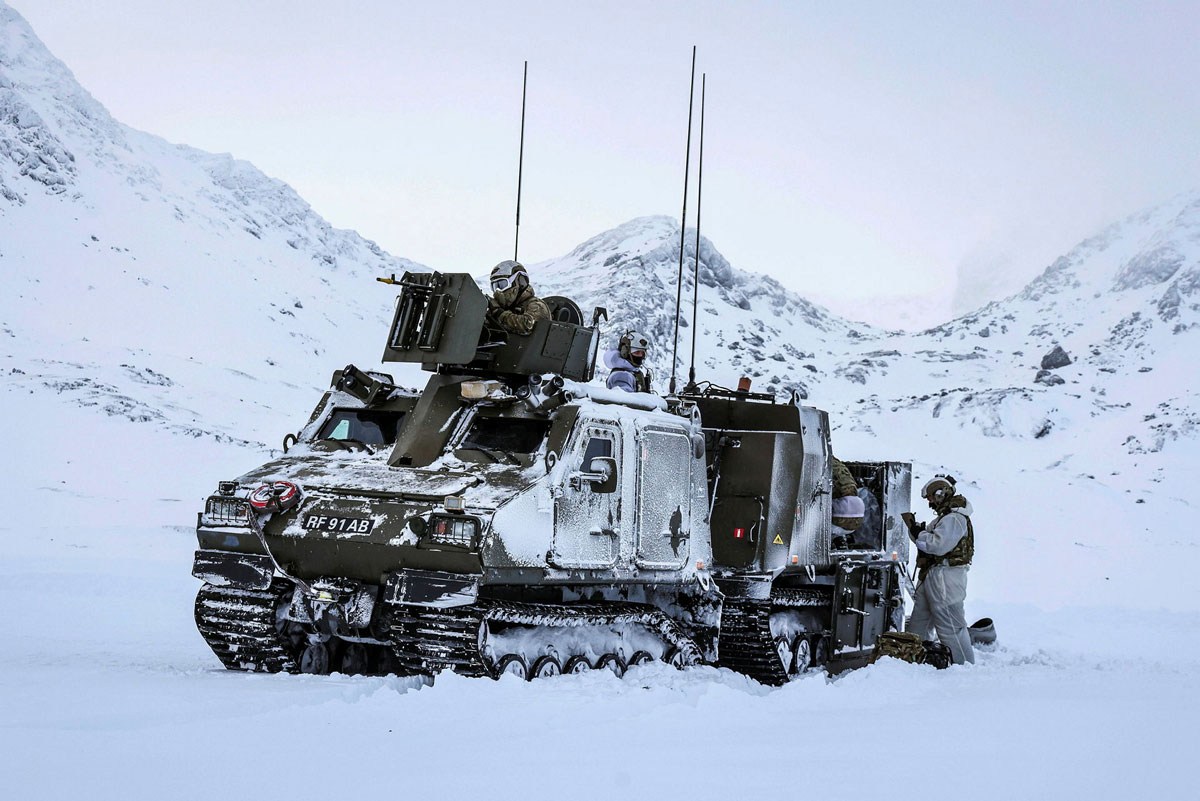
Non-Freezing Cold Injury (NFCI)
NFCI (Cold Weather Injury) Claims
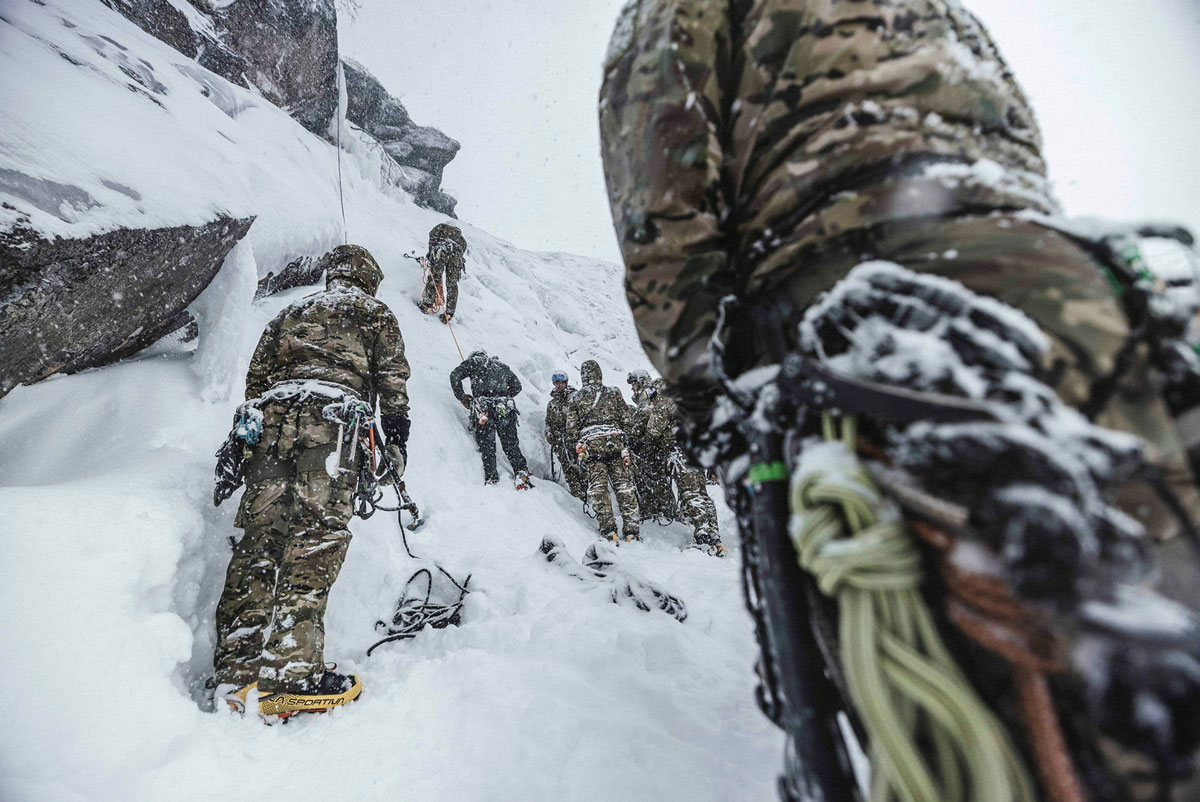
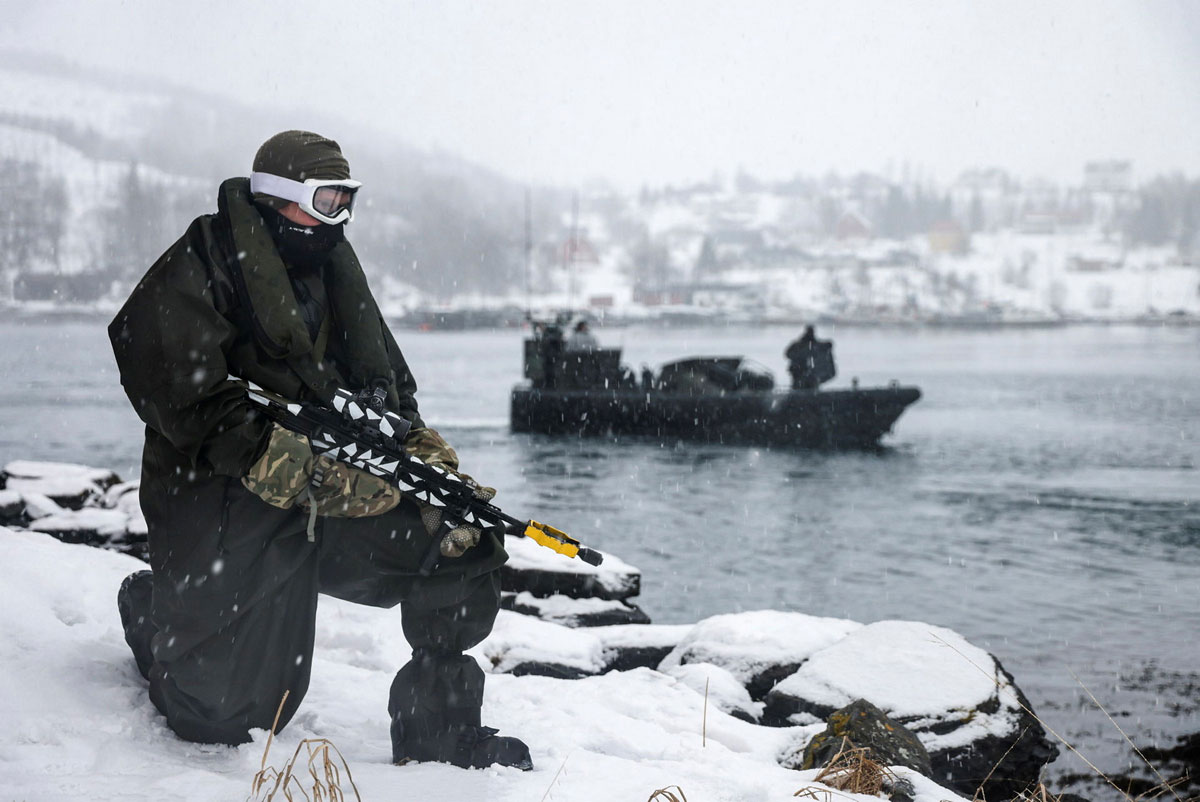
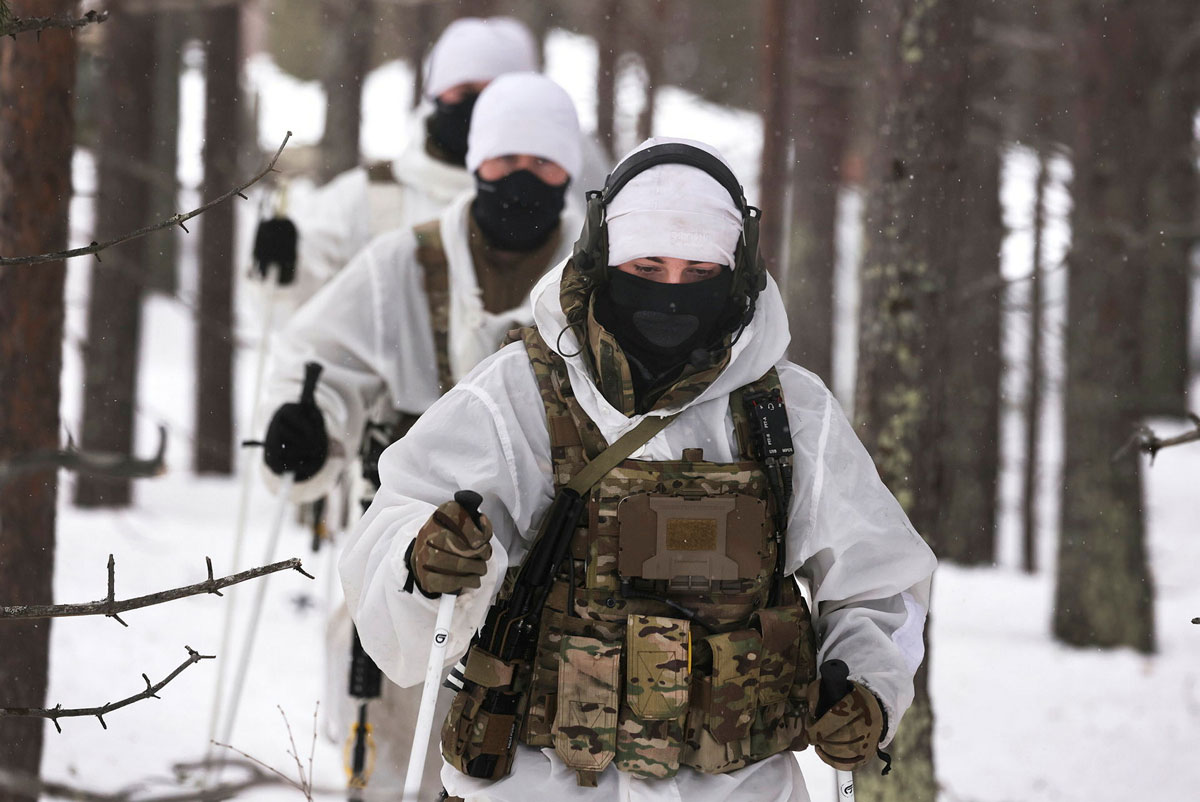
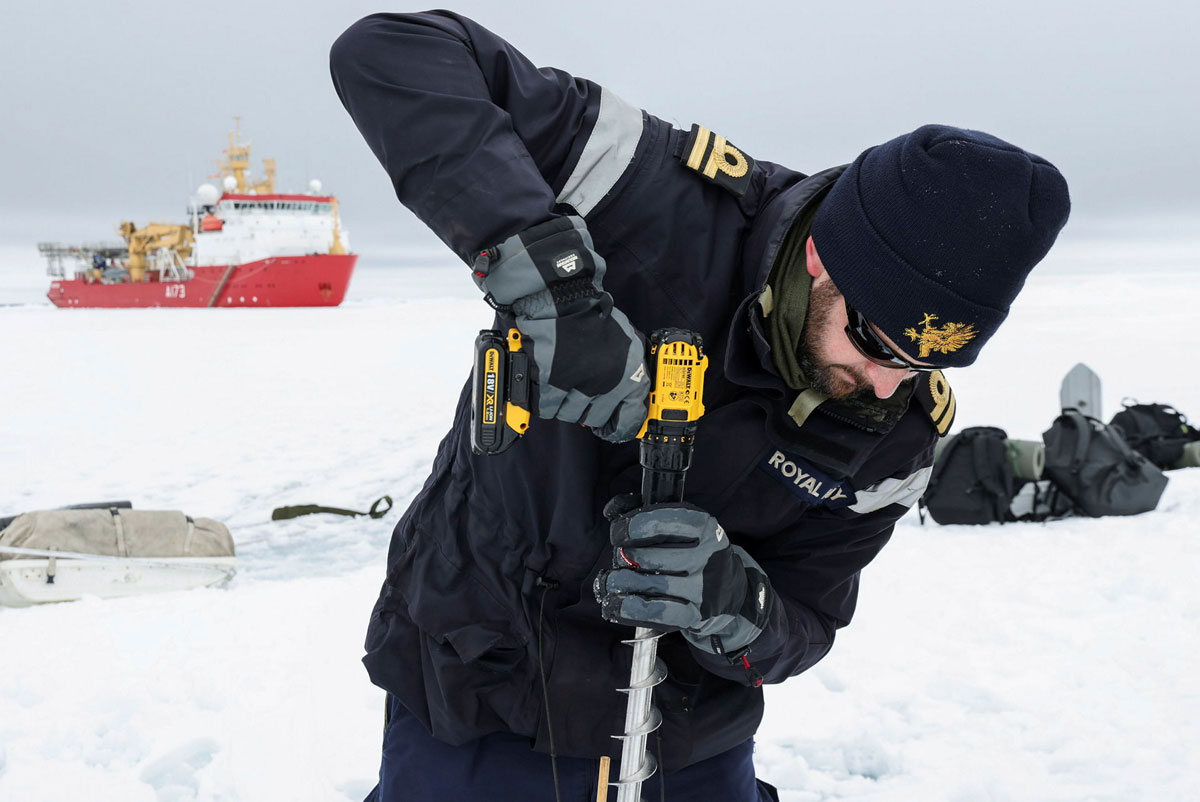
Non-Freezing Cold Injury occurs when the body is exposed to wet, cold conditions for prolonged periods without tissue freezing. In military settings this often affects:
Hands and fingers when operating in harsh weather without adequate protection
Feet and toes after long patrols or sentry duty
How NFCI Develops in Service
- Long static periods in wet terrain
- Patrolling in freezing temperatures
- Inadequate boots, clothing or gloves
- Lack of drying facilities
- Being returned to cold conditions after early symptoms appeared
Symptoms of NFCI
- Reduced mobility in cold conditions
- Burning or stabbing pain
- Tingling or numbness
- Severe cold sensitivity
- Skin colour changes
Claim Eligibility
You developed NFCI after service starting post-1987
You were exposed to prolonged cold or wet conditions
Inadequate boots,Adequate equipment, training or protection was not provided
Early symptoms were overlooked or ignored clothing or gloves
Time Limits
Most claims must be started within three years of when you first became aware that your cold weather injury was linked to your military service. This may be when symptoms such as persistent pain, numbness, cold sensitivity, or circulation problems were first diagnosed or explained to you as service-related.
If you’re unsure when this time limit began, we can help you assess your individual circumstances.
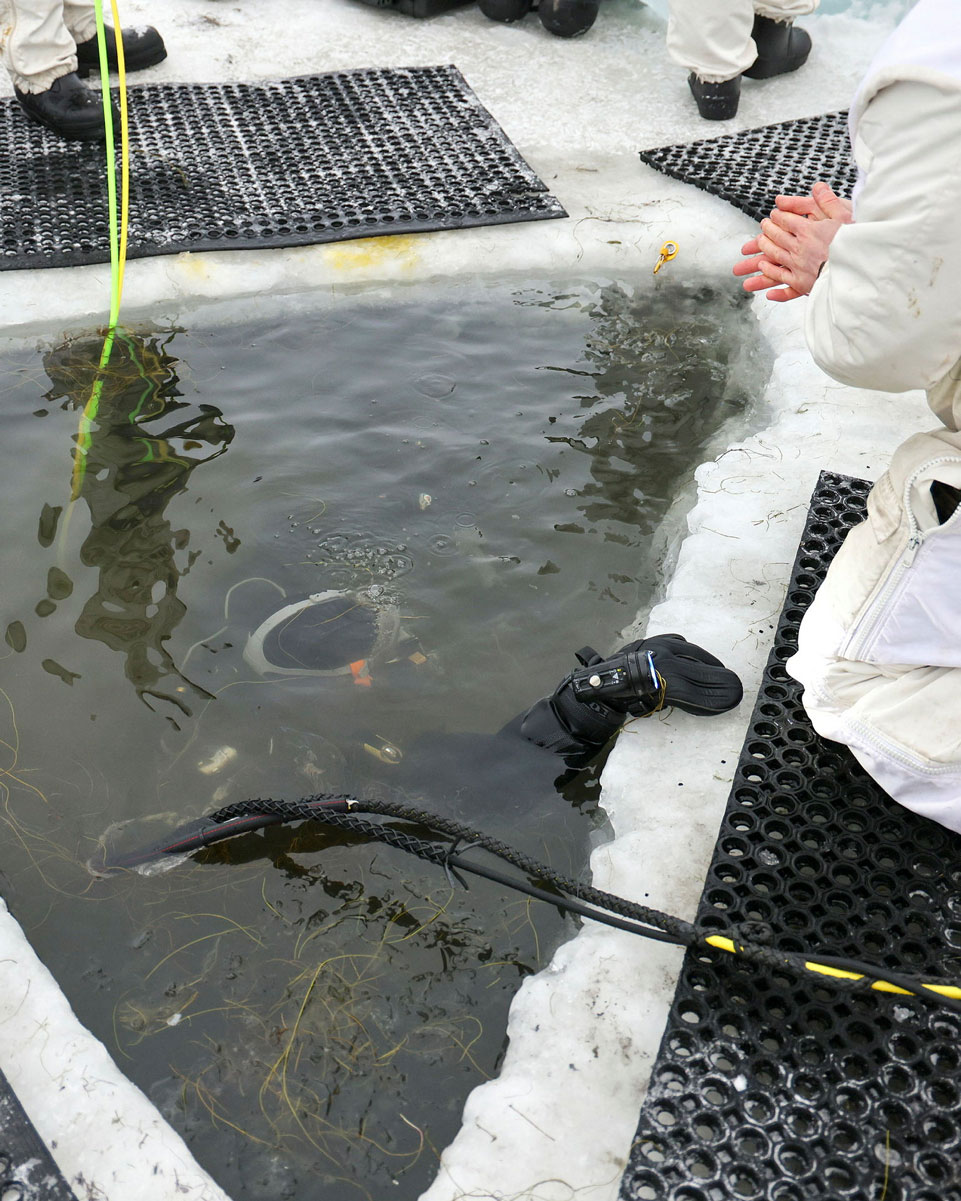
How We Support NFCI Claims?
01
Service history review
02
Evidence collection
03
Case building
04
Pursuit of compensation
FAQs
I was told I just wasn’t good in the cold — do I still have a claim?
My career ended due to NFCI — does that matter?
Is NFCI No Win, No Fee?
Yes. Claims are handled under No Win, No Fee agreements through specialist firms. The recommended solicitor will charge a fee of 25% (including VAT) of your compensation. If you cancel after the cooling-off period, a termination fee may apply. Please refer to the solicitor’s terms and conditions for details.